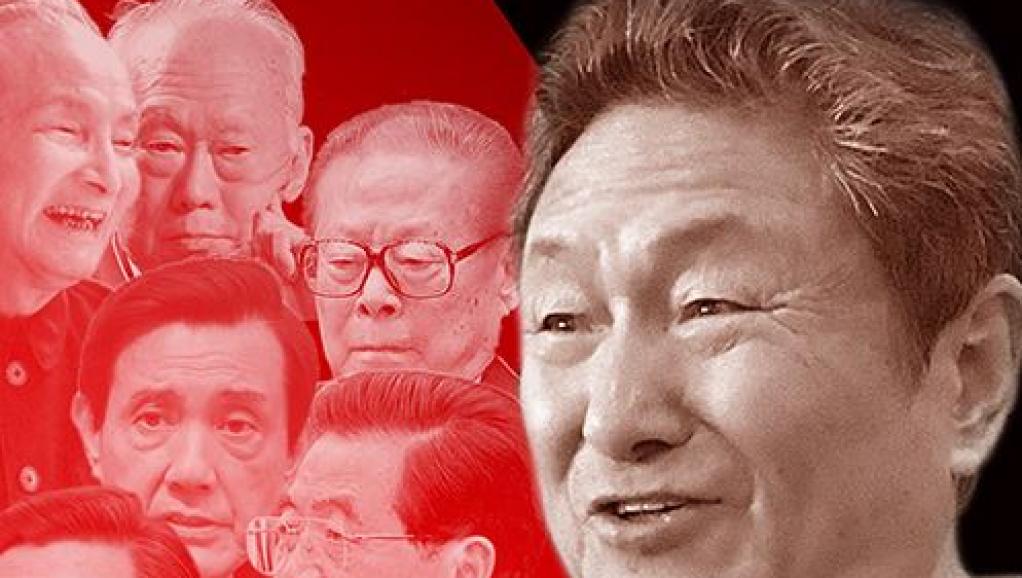
Entering and Exiting the Central Organization Department (进出中组部)
“青年干部局是太庙,个个菩萨都要好的” – 陈云, 1981年 7月
“The Youth Cadre Bureau is like the Imperial Ancestral Temple, [everyone] in it must be of high quality.” – Chen Yun, July 1981
Background
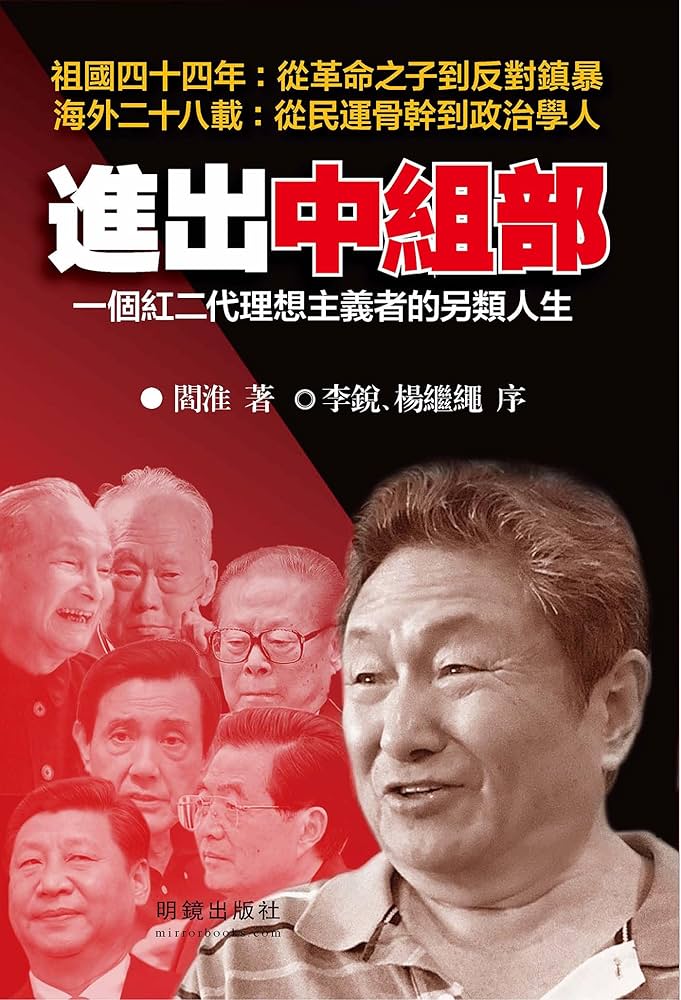
For China watchers, the importance of the Central Organization Department is well understood. Even for those in the system, personnel management is opaque and carefully handled. It is rare that an individual with experience working in the department publishes insights into the department and even more noteworthy when one has worked in perhaps the Central Organization Department’s most important bureau. That is the case with Yan Huai (阎淮), the author of Entering and Exiting the Central Organization Department (进出中组部).
The Central Organization Department manages the appointment, dismissals, and dossiers of centrally-managed cadres, the bulk of which are at the provincial/ministerial level and above. The most interesting section of the book is Yan’s account of his tenure from 1982 to 1986 in the department’s then-newly created Youth Cadre Bureau, stood up for the purpose of identifying the next generation of leaders.
The book starts with the author’s account of his upbringing in Beijing. Of particular importance is his longstanding relationship with Chen Yuan, the son of conservative PRC elder Chen Yun. The duo had met in Tsinghua University in 1966 as Red Guards, at the beginning of the Cultural Revolution. Along with Chen Yuan, a third student by the name of Song Kehuang, son of PRC elder Song Renqiong, also became an accomplice of Yan. Unforeseeable to Yan, both Chen Yun and Song Renqiong would go on to play key roles in reestablishing the Central Organization Department in the post-Mao era, and Yan would be invited along for the ride.
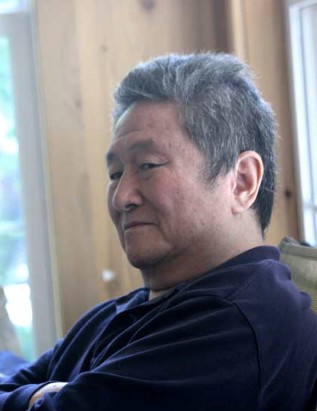
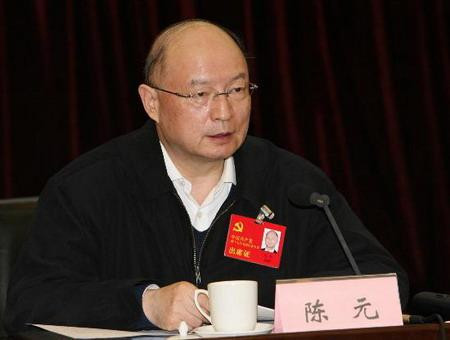
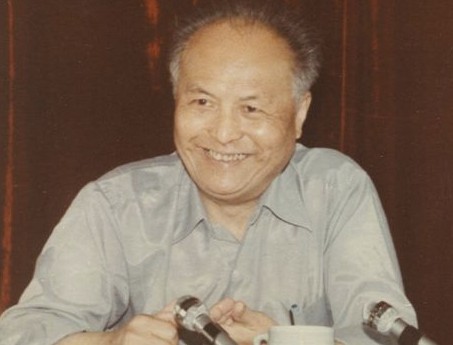
Left: Yan Huai (author). Right: Chen Yuan, son of Chen Yun
Entering the COD’s Youth Cadre Bureau
In the early 1980’s, China’s political elites began to ponder the issue of succession planning. A famous phrase by Chen Yun, then the de facto second-in-command within the Party, states that “power must be handed to our offspring, or our tombs will be dug up in the future.”1 While the attribution of this quote is contentious, the concept of hereditary succession is a core institutional feature of imperial China. It is unsurprising that, in a system lacking formal checks and balances, Chinese elites hold a similar view over generational power transfers.
The first mention of the term “Youth Cadre Bureau” (青年干部局) came from a document2 drafted by Chen Yun in May 1981. Over the next year, Yan’s childhood friend Chen Yuan would persuade Yan to join the Youth Cadre Bureau. Li Rui, the former secretary for both Chen Yun and Mao Zedong, would be chosen to lead the bureau. In March of 1982, the CCP Central Committee formally approved the creation of the Youth Cadre Bureau under the Central Organization Department. Crucially, this marked the start of an effort by the Central Organization Department to systematically develop leadership talent for provincial- and ministerial-level positions.
Third echelon and selected graduates
In May of 1983, at a symposium of the Sixth National People’s Congress, CCP General Secretary Hu Yaobang first put forward the concept of the “third echelon” (第三梯队), referring to a planned cohort of young and educated cadres selected for cultivation as future party and state leaders. At the time, the PRC elders were regarded as the “first echelon” and the Party and State Council leaders were the “second echelon.” As both groups were aging, the Party needed a mechanism to select the next generation of leadership cadres.
In the same month, the Central Organization Department published a document3 that stipulated the selection and cultivation of “selected graduates” (选调生), which would later become a crucial stream for which talented graduates entered civil service. Youth Cadre Bureau chief Li Rui passed on Xi Zhongxun’s directives that each province would select a cohort among young university graduates to be sent to communes, production brigades, and factories for cultivation before selecting the best of which to be promoted to leadership posts at various levels. Yan Huai recalls his encounter with Li Keqiang, then-Secretary of the Communist Youth League at Peking University, during which Li’s humility and maturity left a lasting impression. By July of 1983, there were over 2,000 selected graduates who were sent down to the grassroots for training. By 1985, there were a total of 12,700 selected graduates nationwide. The selected graduates stream carries on into present day China. In February of 2008, Xi Jinping, then-newly promoted member of the Politburo Standing Committee, commented on the importance of upholding and improving the selected graduates system, exactly twenty-five years after his father’s initial proposal.
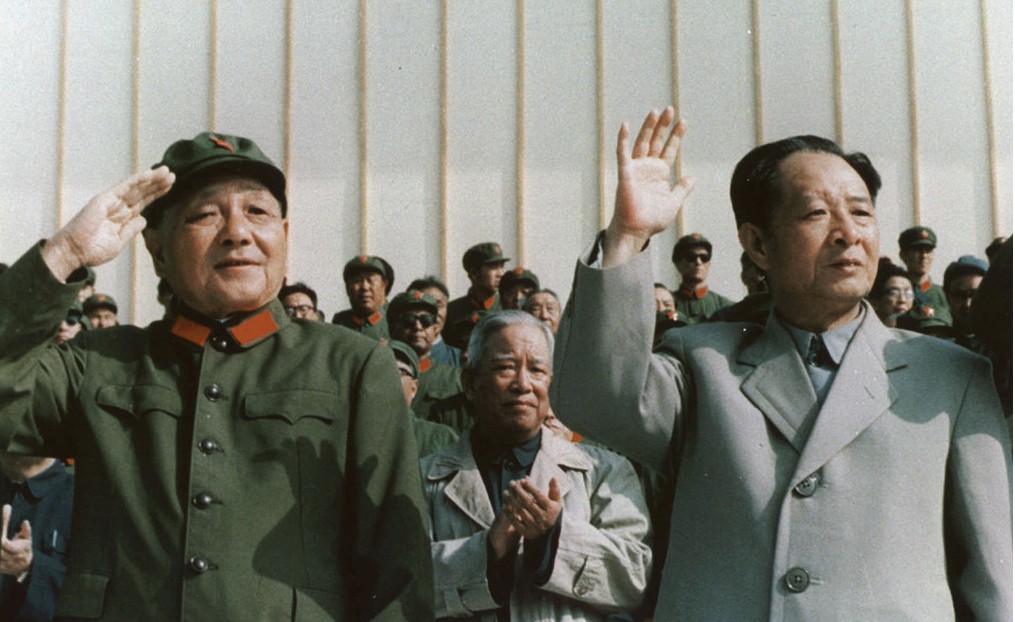
Left: CMC Chairman Deng Xiaoping with CCP General Secretary Hu Yaobang. Right: Li Rui, bureau chief of the Youth Cadre Bureau and former secretary to Mao Zedong
In 1983, the Central Organization Department published a document4 for each province to select candidates as reserve cadres for leadership positions at both the provincial and central level. Each province was to nominate twenty candidates and each central ministry or department was to nominate five candidates, for a total of 1,000 reserve cadres. Criteria to select these candidates included performance during the Cultural Revolution, political correctness, vocational college experience, and approximately between the ages of forty to forty-five. This important document was the first institutional attempt to create the “third echelon” of cadres, and subsequently became top priority of the Central Organization Department’s Youth Cadre Bureau.
In August of 1984, the list of provincially-nominated “third echelon” reserve cadres totaled 632 candidates. Yan Huai and his colleagues wrote 500-word summaries on each candidate to be sent to the Politburo. Some interesting stats for the candidates include:
- Demographic: average age of 43.5, 14% females, and 10% ethnic minorities
- Education: 91% university graduates (including post-graduates), 7% high-school graduates, and 2% middle-school graduates
- Family background: 84% working class, 11% exploiting class, and 5% revolutionary cadres
- Performance during the Cultural Revolution: 39% were targeted, 46% untargeted, 14% offered resistance, and 1% committed errors
- Current position: 1% at provincial/ministerial level, 26% at department/bureau level, 57% at deputy department/bureau level, and 16% at county/division level
It is especially noteworthy that, of the 632 candidates, only 5% came from revolutionary families (红色家族). However, as one observes the career trajectories of these reserve cadres, it appears that these revolutionary descendants hold disproportionately high positions of importance in the decades that followed. The most obvious example of a “princeling” who benefited from family background is Xi Jinping, whom Yan Huai personally assessed. Yan also notes the interesting case of Bo Xilai, son of Chinese revolutionary Bo Yibo, who did not make the original list of “third echelon” cadres but nonetheless rose to the pinnacle of Chinese leadership several decades later before his ultimate downfall.
At the end of 1985, the finalized list of provincial reserve cadres totaled 1,009 candidates, combining provincially-nominated candidates with nominees from Central Party and State Council organizations. Yan Huai notes that from the 15th to 18th Party Congress, over half of the Politburo were on the original “third echelon” list, and all but two members of the 17th and 18th Politburo Standing Committee were “third echelon” reserve cadres.
Evaluation of Xi Jinping
As a face-saving gesture, the decision to include Xi in the assessments likely owed more to his father’s prestige rather than his own qualifications.
Within the Youth Cadre Bureau, Yan Huai was responsible for assessing candidates in the North and Northeast regions of China. During a trip to Hebei province in October of 1983, Yan conducted a special evaluation of Xi Jinping, then the thirty year-old Party Secretary of Zhengding County in Hebei. Yan notes that the assessment of Xi was special in three aspects. First, the assessment was requested by Youth Cadre Bureau chief Li Rui, which was unusual in the case that Li had not singled out any other candidates by name previously. Secondly, Xi had only been sent down to Zhengding County the previous year and thus lacked consistent political achievements otherwise required from potential candidates. Lastly, Xi had not been recommended by the province as a reserve cadre, and was thus not in the usual purview of Youth Cadre Bureau assessments. As a face-saving gesture, the decision to include Xi in the assessments likely owed more to his father’s prestige rather than his own qualifications.
Due to peculiarity of the Xi case, Yan Huai and the team conducted a quick routine assessment consisting of three stages. The first stage was a group interview with leadership within the county’s Party and government, including department heads under Xi while Xi was Deputy Party Secretary of Zhengding County from 1982 to 1983. The individuals were asked to speak to Xi’s political achievements and errors, as well as personal strengths and weaknesses. The second stage consisted of one-on-one interviews with the same individuals, aimed at prying for details from those that had reservations during the group interview to speak negatively of Xi in public. The last stage was an interview with Xi Jinping himself, during which Xi was asked to discuss his work achievements, personal assessment of strengths and shortcomings, as well as explanations of any negative sentiments that were brought up from peer interviews.
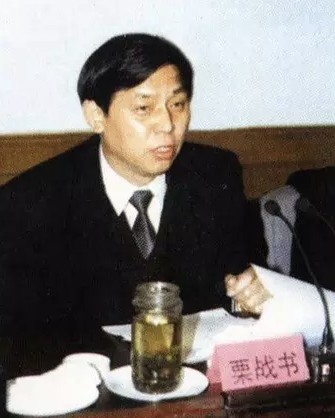
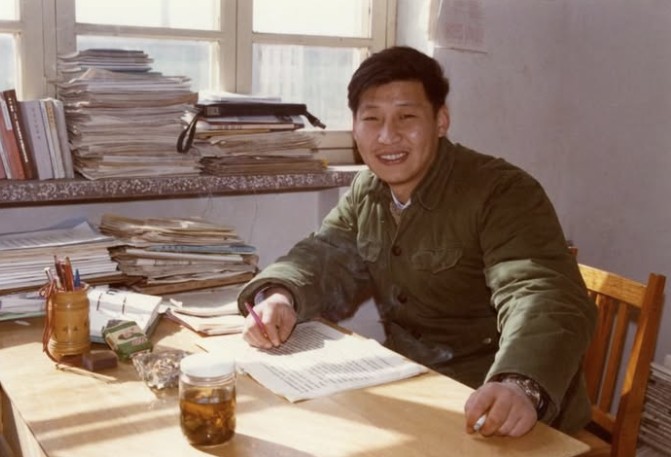
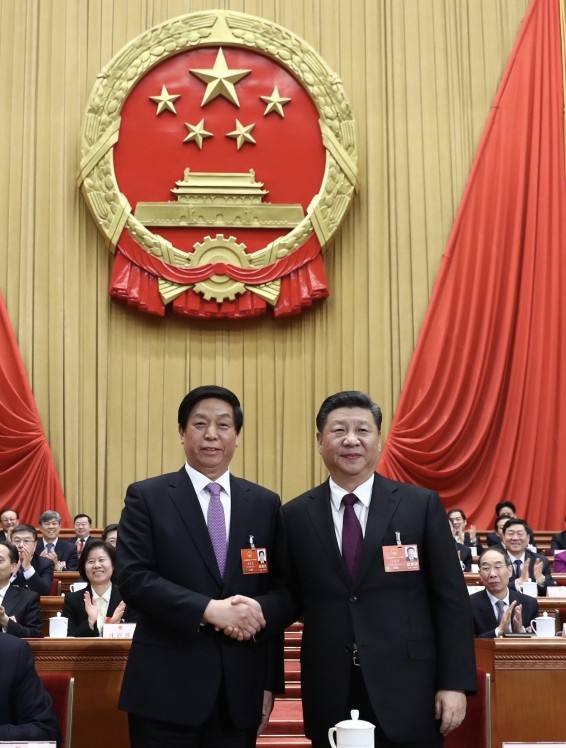
Left: Li Zhanshu, Party Secretary of Wuji County from 1983-1985. Center: Xi Jinping, Party Secretary of Zhengding County from 1983-1985. Right: Li Zhanshu, Chairman of the National People’s Congress and Xi Jinping, CCP General Secretary
In 1984, Xi Jinping and Li Zhanshu, then Party Secretary of the neighboring Wuji County, underwent formal evaluations by the Central Organization Department’s “third echelon” assessment group and were both selected as provincial level “third echelon” reserve cadres for Hebei Province. Few could have imagined that Xi and Li would go on to become the first- and third-ranked Party leaders of the CCP several decades later.
Inner workings of the Central Organization Department
Yan Huai reveals that provincial personnel approvals were a two-part process. First, approvals from the corresponding Central Organization Department Deputy-Heads were required. Once approved, officials visited the department’s archives to examine provincial leadership dossiers, where no written notes were permitted in or out of the archives. Officials had to commit to memory key details on provincial leadership candidates. The second, and arguably most important, step was to consult with and seek approval from PRC elders and central leaders. This was an unspoken rule of the personnel decision-making process during the 1980s, as Party elders often had the final say over personnel placements in their hometowns. Some examples provided by the author were the following: Beijing was overseen by Peng Zhen and Wan Li, often with conflicting views; Shanghai was overseen by Chen Yun; Guangdong was overseen by Ye Jianying; Hubei was overseen by Li Xiannian; and Shanxi was overseen by Bo Yibo.
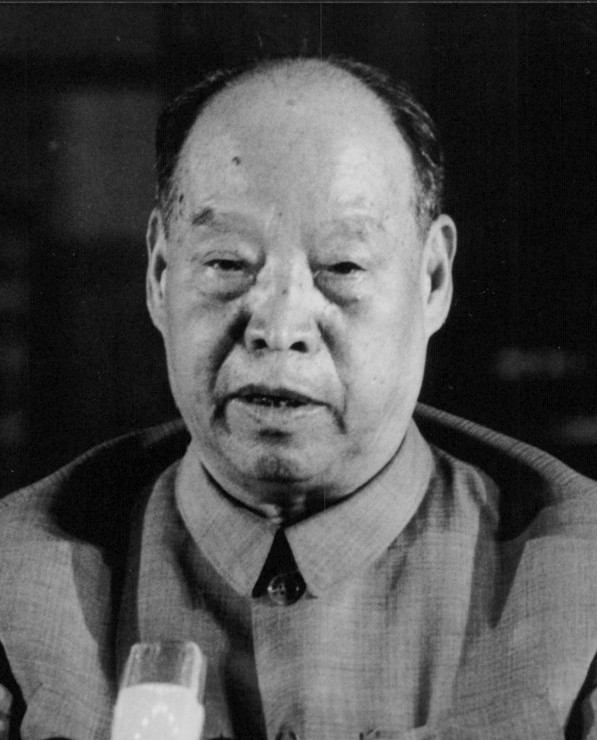
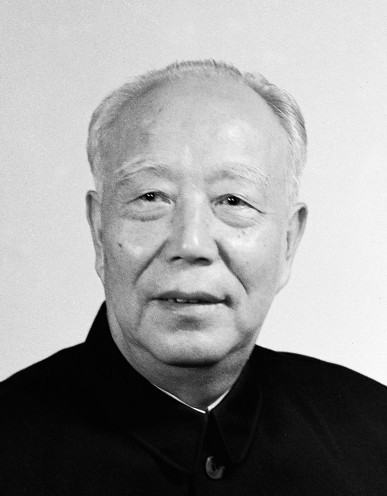
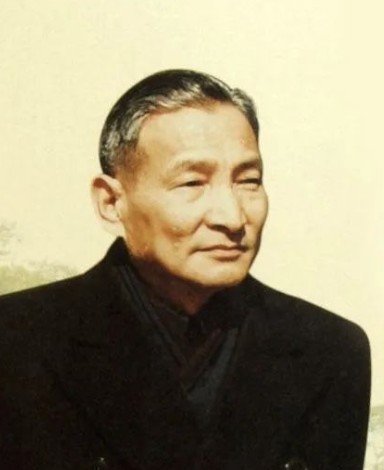
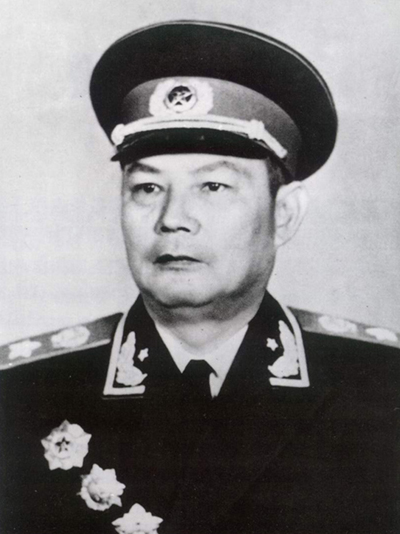
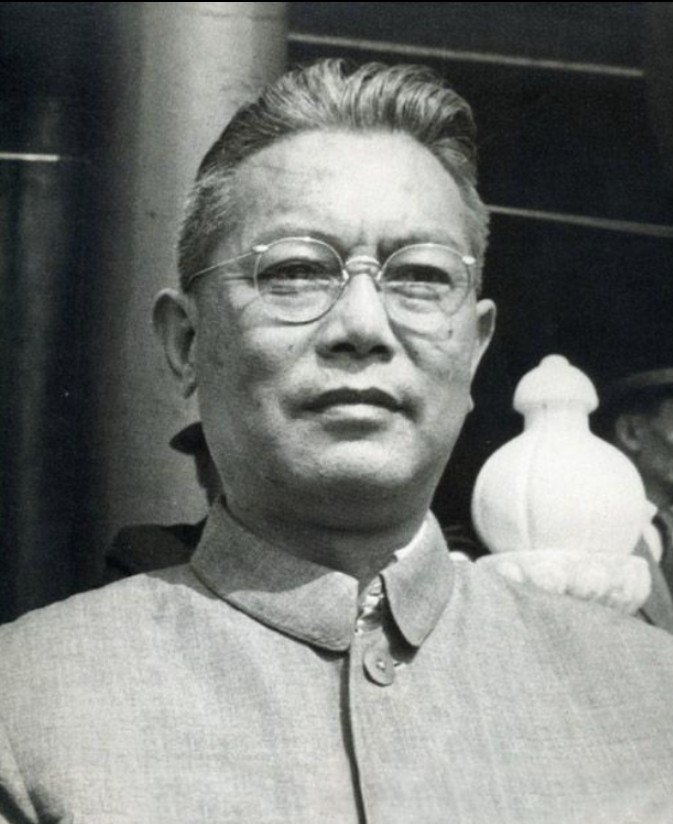
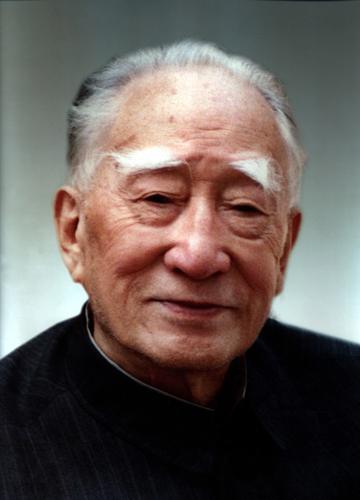
From left to right: Peng Zhen, Wan Li, Chen Yun, Ye Jianying, Li Xiannian, Bo Yibo
It is important to note that in today’s China, the ability for CCP elders to influence personnel decisions on their home turf is likely nonexistent. The CCP takes great precaution in ensuring regional leadership cohorts are not appointed in their home province, for the purpose of minimizing the potential for rising factions and the consolidation of power in any region. The Central Organization Department likely places a strong emphasis on interprovincial shuffles to avoid power bases from forming.
As expected of a department as sensitive as the Central Organization Department, there were also strict requirements on document-handling. According to Yan, all notebooks, documents, and personnel lists must be returned to the department upon an official’s resignation or departure. An interesting question is whether operational guidelines have evolved over the past decades and whether cadre dossiers are now digitally stored with the same amount of security.
Elevation of Jiang Zemin
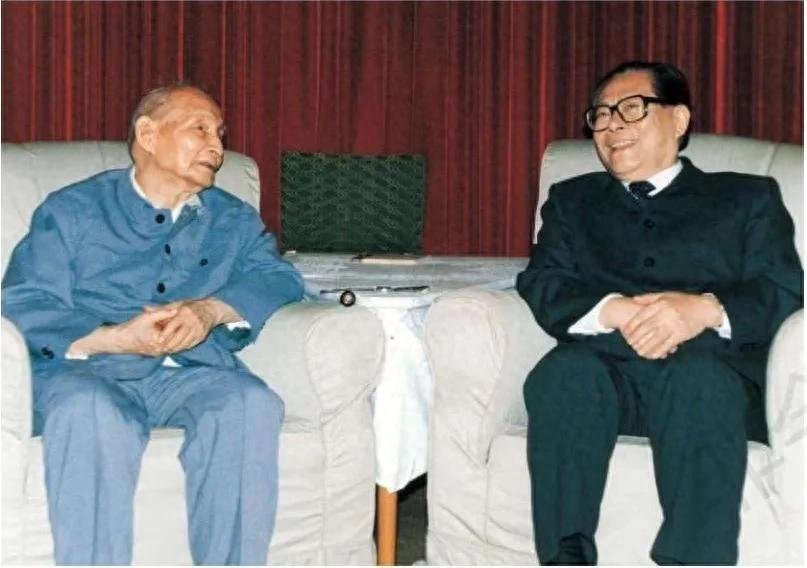
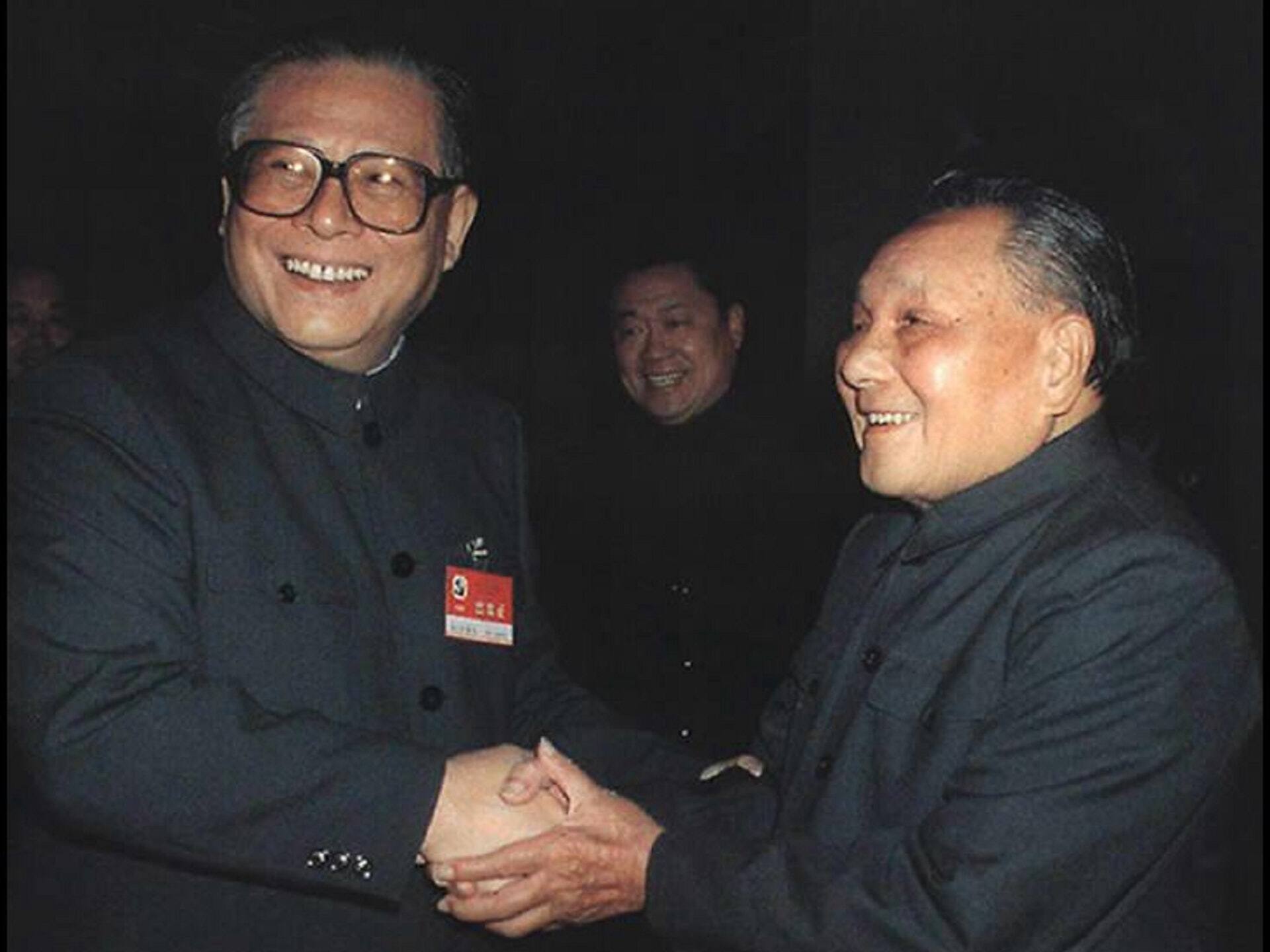
Left: Chen Yun with Jiang Zemin. Right: Jiang Zemin with Deng Xiaoping
Yan notes an interesting interaction with former CCP General Secretary Jiang Zemin in 1985, a time when Jiang was at a crossroads of taking on the role of Shanghai Mayor or continuing to work as a ministerial head. Jiang had approached Yan with a question of whether ministers or mayors had more potential for future advancements. Yan’s response was that there were only slightly more than twenty provinces and municipalities in China, whereas there were over a hundred different ministries and institutions under the Party and State Council. Although these positions were all at the provincial/ministerial level, and the governor or mayor of a province or municipality may not be as important as the top ministries in China, they are certainly more prominent than the Ministry of Electronics Industry5. Yan added that taking on the role of mayor in a key municipality could position oneself on the path to becoming party secretary and elevation to the CCP Politburo.
Ultimately, Jiang took on the role of Shanghai Mayor in the summer of 1985 and subsequently became the Shanghai Party Secretary in 1987 and the CCP General Secretary in 1989. Jiang Zemin’s rise to the top was largely influenced by the ousting of Zhao Ziyang following June 4th, 1989, but it is important to note that Jiang had the support of the two most powerful men in China during the 1980’s, Chen Yun and Deng Xiaoping. Nonetheless, the willingness of a ministerial-level official to approach the much lower-ranked author speaks to the outsized influence and importance of the Central Organization Department.
Classified documents
Yan mentions several key terms related to document dissemination within the CCP. Classified documents are broadly categorized into “formal documents” (正式文件), “situation briefings” (动态简报), and “reference materials” (参考资料). Understanding the scope and intended audience of these documents is essential to deciphering information flow to Chinese leadership and its subsequent decision making.
- Formal documents:
- Used by central Party and Government organizations to disseminate speeches and directives of top leaders. The most authoritative document is the red-header CCP Central Committee Document (《中共中央文件》).
- Situation briefings:
- Used by PRC organizations to report situations upwards, directives downwards, and information laterally. Examples included the Central Organization Department’s Organizational Work Bulletins (《组工通讯》), the Central Publicity Department’s Publicity Trends (《宣传动态》), and the Ministry of Public Security’s Adversarial Trends (《敌情动态》)
- Reference materials:
- Used by news agencies to provide actual situational developments within the country. Examples included the Xinhua News Agency’s Domestic Dynamic Proofs6 (《国内动态清样》), used to report sensitive domestic developments to central leadership, the Internal Reference (《内部参考》) for prefecture and department-level leadership, and the Internal Reference Selections (《内部选编》) for county-level officials.
Whether today’s documents follow the same naming conventions is unclear, but the Chinese leadership’s reliance on multiple information channels to triangulate and form an unfiltered picture of events at home and abroad is unlikely to have changed.
Key Terms
- Selected graduates (选调生) — a pathway to civil service by which promising university graduates are selected and cultivated by the Central Organization Department
- “Third echelon” (第三梯队) — the first systematic approach to succession planning, whereby a cohort of young and educated cadres selected for cultivation as future party and state leaders
- Revolutionary family (红色家族) — descendants of revolutionary veterans who participated in the Long March in 1934-1935
- Youth Cadre Bureau (青年干部局) — an important bureau within the Central Organization Department responsible for assessing young party members for future leadership positions
Notes:
- “权力要移交给自己的孩子,不然以后会被挖祖坟”. Interestingly, Yan Huai has noted in interviews that he does not have any evidence that Chen Yun had actually coined this phrase. ↩︎
- 《提拔培养中青年干部是当务之急》, translated as “Promoting and Cultivating Young and Middle-aged Cadres is an Urgent Priority”. ↩︎
- 《关于选调应届优秀大学毕业生到基层培养锻炼的通知》, translated as “”Notice on the Selection of Outstanding University Graduates to Grassroots Units for Training and Cultivation”. ↩︎
- 《关于建立省级后备干部制度意见》, translated as “Opinions on the Establishment of a Provincial-level Reserve Cadre System”. ↩︎
- From 1982 to 1985, Jiang Zemin served as the vice-minister of the Ministry of Electronics Industry (电子工业部). In September of 1982, Jiang was elected as a member of the CCP Central Committee. ↩︎
- Also translated as Domestic News Proofs. ↩︎
Thinking smarter about China
Subscribe to receive updates on new book reviews.
If you would like to support us, please consider buying us a coffee.