
A Necessary Promotion for Kong Shaoxun
Kong Shaoxun’s appointment as Acting Governor of Gansu positions him for bigger roles ahead of the 21st Party Congress in 2027.
Key Takeaways
- Kong Shaoxun’s roles within the General Office of the Central Committee indicate that he wielded substantial influence over personnel decisions in the General Office.
- Kong Shaoxun’s appointment as Acting Governor of Gansu at age 57 is a necessary promotion as he needed to reach full provincial/ministerial-level to be considered for future promotions.
- Kong Shaoxun’s positive career trajectory mirrors that of Tang Fangyu, current head of the Central Policy Research Office.
Background
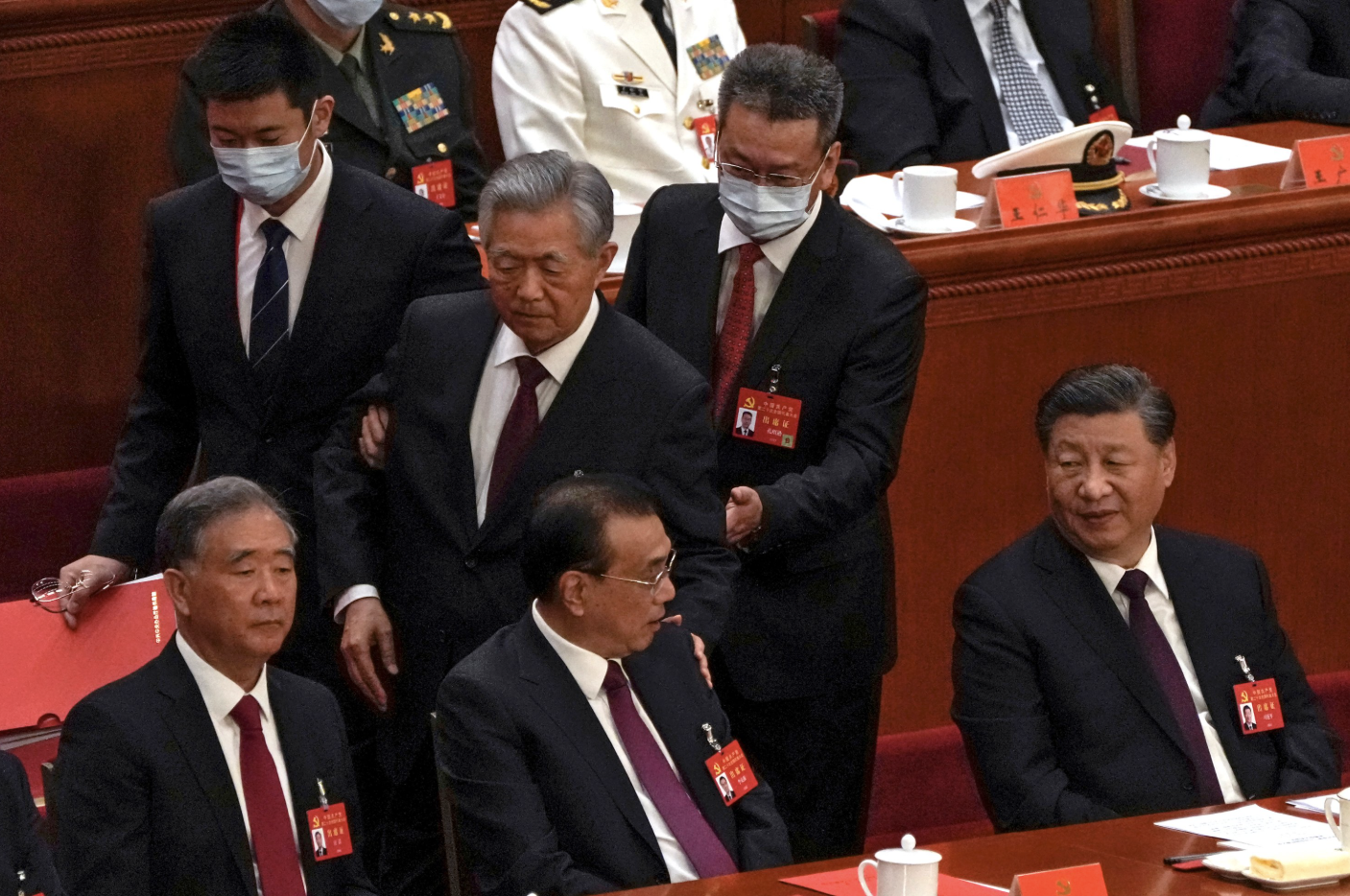
During the 20th Party Congress in October 2022, former General Secretary Hu Jintao was escorted out of the closing ceremony by two men under the direction of Xi Jinping. For a highly televised and choreographed event like the Party Congress, this was an unusually surprising event that attracted the curiosity of China watchers. One of the men was identified as the deputy director of the CCP Central Committee General Office, Kong Shaoxun (孔绍逊). Previously unknown to the public, Kong Shaoxun was also the head of the Secretariat Bureau of the CCP Central Committee General Office and, as of October 2022, had spent more than twelve years in the General Office.1
Kong Shaoxun (left of Xi Jinping) escorting former General Secretary Hu Jintao out of the 20th Party Congress closing ceremony.
On September 2, 2026, Kong Shaoxun made his second public appearance, this time as newly appointed acting governor of Gansu, a northwestern province close to Kong’s birthplace of Ningxia. Why was Kong transferred away from his key position within the Party center and, more importantly, why now?
This article examines the logic behind Kong Shaoxun’s recent appointment and the implications for his political career going forward.
The General Office of the CCP Central Committee
Deputy directors of the General Office are lesser known to the public, but are some of the top leadership’s most trusted officials nonetheless.
To understand Kong Shaoxun’s role, it’s important to understand the functions and ranking of the General Office of the CCP Central Committee (中共中央办公厅 or 中办, hereafter referred to as General Office). The General Office handles day-to-day operations for the CCP’s top leadership, including members of the Politburo and Politburo Standing Committee. Due to its proximity to central leadership, the General Office is typically referred to as the “power center” (权力中枢) of the PRC, and its director is colloquially called the “Chief Eunuch” (大内总管), in reference to the gatekeeping role of powerful eunuchs in imperial China. Due to its importance, the General Office is a full provincial/ministerial-level agency and its leadership cadres are appointed by the Central Organization Department.
Since the Mao era, the director of the General Office is typically the most trusted confidant of the CCP General Secretary. Wang Dongxing (汪东兴), Mao’s top bodyguard, served as General Office director for thirteen years from 1965 to 1978, and as a Politburo member from 1973 to 1977. Similarly, Zeng Qinghong (曾庆红) served as director under Jiang Zemin from 1993 to 1999. Hu Jintao’s former top aide Ling Jihua (令计划), whose downfall sprang from his son’s car accident in the spring of 2012, served as director from 2007 to 2012. More recently, Xi Jinping’s trio of General Office directors, Li Zhanshu (2012-2017), Ding Xuexiang (2017-2023), and Cai Qi (2023-present) were all subsequently promoted to the Politburo Standing Committee.
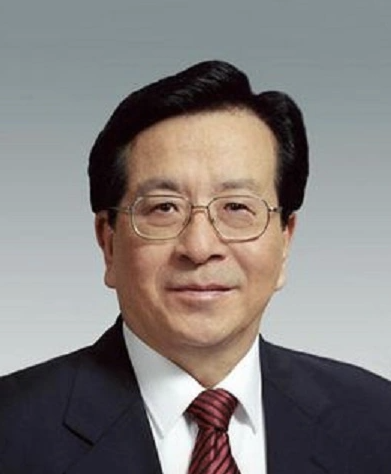
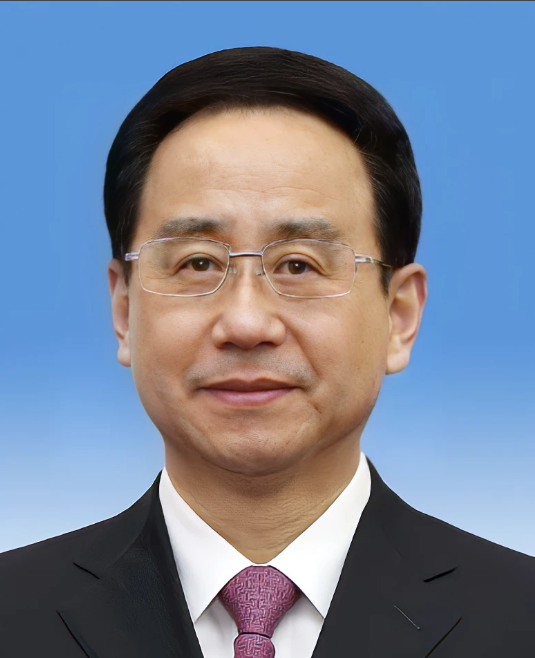
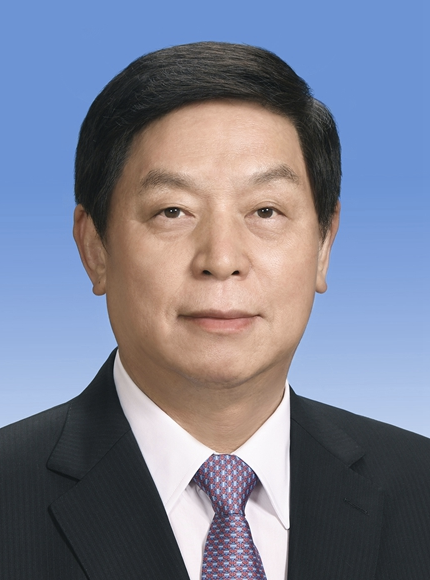
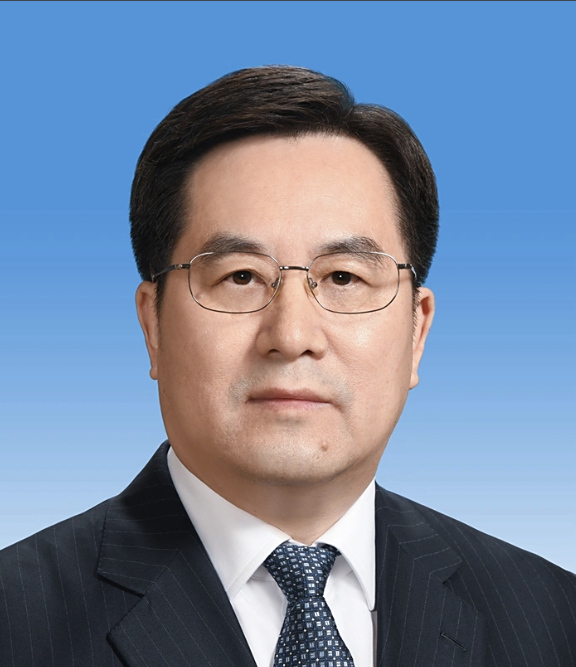
Left to right: Zeng Qinghong, Ling Jihua, Li Zhanshu, and Ding Xuexiang — four former top confidants of CCP General Secretaries who also held positions as deputy director and director of the General Office.
Despite the lack of publicity, deputy directors of the General Office have historically enjoyed substantial trust from top leadership. Some notable deputy directors include Zhang Yaoci (张耀祠), one of Mao’s most trusted bodyguards and head of the famous Central Guard Regiment Unit 8341, who served as deputy director from 1969 to 1979. Zeng Qinghong followed Jiang Zemin to Beijing right after the Tiananmen Incident in 1989 and served as deputy director from 1989 to 1993 before his promotion. Similarly, Jiang Zemin’s bodyguard You Xigui (由喜贵) was appointed deputy director in 1997. Ling Jihua was appointed deputy director from 1999 to 2007, where he began to work as chief of staff to heir apparent Hu Jintao. More recent deputy directors include Ding Xuexiang (2013-2017), current sixth-ranked member of the Politburo Standing Committee, Tang Fangyu (2018-2023), current head of the Central Policy Research Office (CPRO), and Kong Shaoxun (2022-2026).
Kong Shaoxun’s role in the General Office
Kong Shaoxun’s first exposure to the central leadership came in late 2010 when Kong, then the 41-year-old Deputy Party Secretary of Wuzhong prefecture in his hometown of Ningxia, was one of sixty cadres transferred from the provinces to central Party and government organs.2 Since Wuzhong is a prefecture-level city, Kong’s position as Deputy Party Secretary was at the deputy department/bureau-level (副厅局级).3
Over the course of 16 years in the General Office, Kong Shaoxun held the positions of Deputy Secretary of the General Office Party Committee (办公厅机关党委副书记)4, Discipline Inspection Secretary of the General Office Party Committee (办公厅机关纪委书记), Director of the General Office Personnel Bureau (人事局局长), Deputy Head of the Leading Group for Designated Poverty Alleviation Work (定点扶贫工作领导小组副组长), and finally, the Deputy Director of the General Office (中办副主任) and concurrently the Director of the General Office Secretariat Bureau (秘书局局长).
In October 2017, Kong Shaoxun was concurrently the Deputy Secretary of the General Office Party Committee, the Party Committee’s Discipline Inspection Secretary, and the Director of the General Office Personnel Bureau. This means that Kong Shaoxun was at the department/bureau-level (正厅局级) as of at least the age of 48. Since former head of Personnel Bureau Chen Jiusong left the post in May 2015, it is possible that Kong Shaoxun replaced Chen as early as 2015. More importantly, Kong’s roles indicate that he wielded substantial influence over personnel decisions within the General Office, including appointments and dismissals of officials as Personnel Bureau Director and Discipline Inspection Secretary, respectively.
In April 2022, a Notice from the General Office of the State Council confirmed Kong Shaoxun’s position as the Deputy Director of the General Office and the Director of the General Office Secretariat Bureau.5 Since the General Office is at provincial/ministerial-level, Kong had been promoted to the sub-provincial/deputy-ministerial-level (副省部级) as of April 2022. Later that year in October, Kong Shaoxun would become known to the public during the 20th Party Congress when he took instructions from Xi Jinping to escort Hu Jintao out of the closing ceremony.
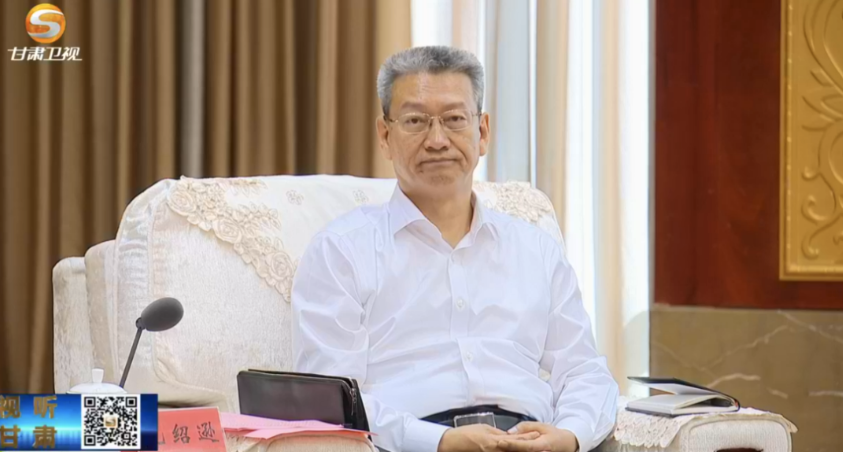
Newly appointed Acting Governor of Gansu, Kong Shaoxun. (Image from Gansu TV Station)
On August 29, 2026, Kong Shaoxun made his first public statement as Deputy Party Secretary of the Gansu Provincial Party Committee. A few days later, it would be announced that Gansu Governor Ren Zhenhe would resign due to a change in work assignment and that Kong Shaoxun would serve as Acting Governor of Gansu until his position is formalized. This appointment is a significant milestone for Kong as he has been promoted to full provincial/ministerial-level (正省部级) at the age of 57. Typically, the cutoff age for promotion from sub-provincial/deputy-ministerial-level to full provincial/ministerial-level is 58. Sub-provincial/deputy-ministerial-level cadres past the age of 60 are usually “stepped back to the second line” (退居二线) and assigned ceremonial roles within the National People’s Congress or Chinese People’s Political Consultative Conference (CPPCC). Kong Shaoxun’s timely promotion signals a deliberate push from central leadership and indicates a promising career trajectory as China prepares leadership shuffles for next year’s 21st Party Congress.
Parallels with another rising star and Kong Shaoxun’s future
Kong Shaoxun’s positive career trajectory mirrors that of Tang Fangyu, current head of the Central Policy Research Office.
Of all recent deputy directors of the General Office, the only one to be transferred to a provincial leadership role is Tang Fangyu (唐方裕), current head of the CPRO. In fact, Tang Fangyu’s short stint in Chongqing from January 2023 to October 2023 as Chairman of the Chongqing Municipal Committee of the CPPCC is a mirror image of Kong Shaoxun’s recent appointment. This move, shortly after the 20th Party Congress, was made to promote the then-59-year-old Tang Fangyu from his sub-provincial/deputy-ministerial-level role as deputy director of the General Office and director of the Research Department of the General Office. After several months in Chongqing as a full provincial/ministerial-level official, Tang was transferred back to Beijing as the deputy director of the CPRO, at the same civil service rank.6 In retrospect, Tang’s appointment in Chongqing was also a clear move to “solve his promotion to full provincial/ministerial-level” (解决正部级) before the age of 60. Evidently, central leadership had longer-term plans in 2023 for Tang to eventually succeed Jiang Jinquan (江金权) as head of the CPRO.
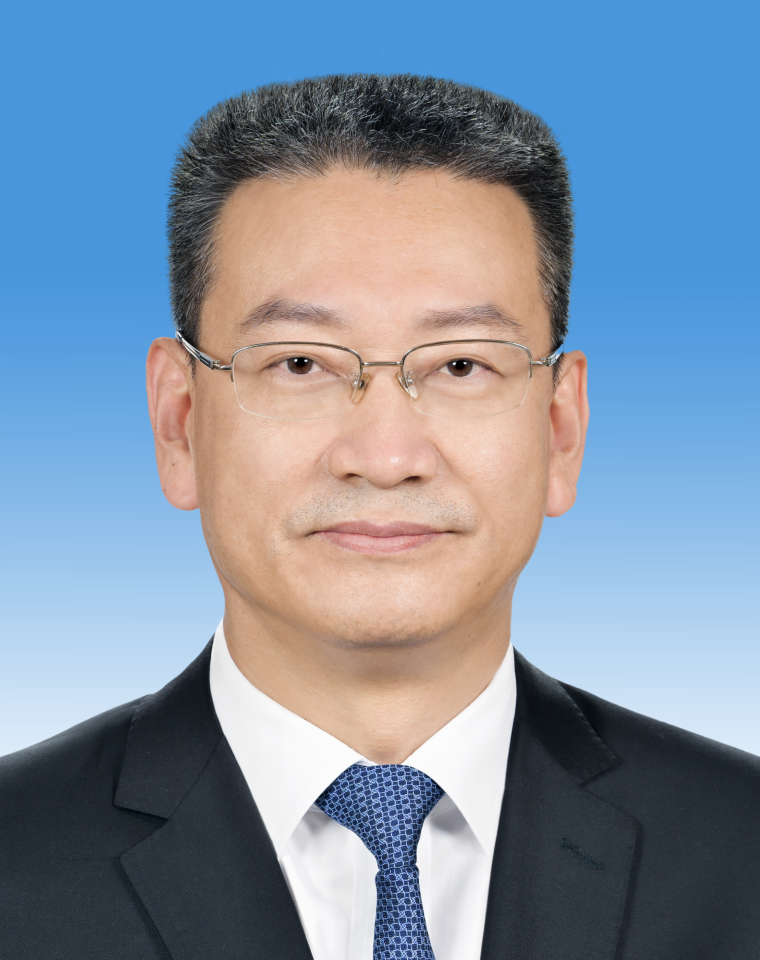
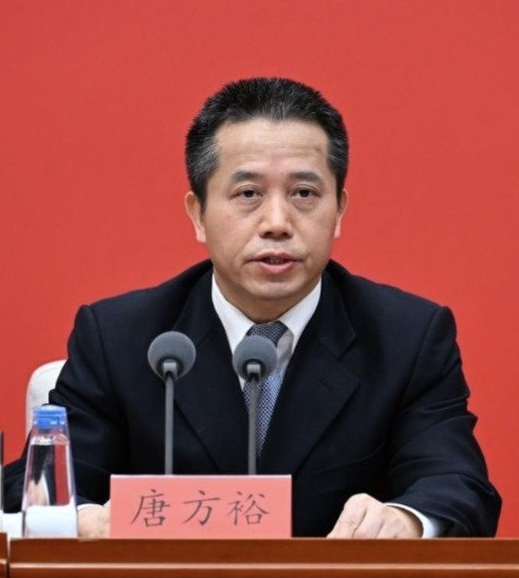
Left: newly appointed Acting Governor of Gansu, Kong Shaoxun. Right: Head of the Central Policy Research Office, Tang Fangyu.
Applying the same logic to Kong Shaoxun, and given the peculiar timing a year away from the 21st Party Congress, it is probable that the central leadership intends for Kong to return to the General Office in 2027, possibly to replace incumbent executive deputy director of the General Office, Meng Xiangfeng (孟祥锋). It is unlikely for Kong Shaoxun to remain in the provinces and be promoted to Provincial Party Secretary in 2027 as it would be a misallocation of the trust he has accumulated during his sixteen years in the General Office.
Notes:
- State Council General Office (国务院办公厅). “国务院办公厅关于成立第19届亚运会和第4届亚残运会工作领导小组的通知” [Notice of the General Office of the State Council on Establishing the Leading Group for the 19th Asian Games and the 4th Asian Para Games] (Guobanhan [2022] No. 33). Issued April 4, 2022; published April 14, 2022. www.gov.cn. https://www.gov.cn/zhengce/content/2022-04/14/content_5685241.htm. ↩︎
- 宁夏两名厅官赴京履新” [Two Ningxia Bureau-Level Officials Take Up New Posts in Beijing]. 163.com (网易新闻), January 7, 2011. Formerly available at https://www.163.com/news/article/6PPONUVH00014AED.html [link dead as of access; page returns 404]. Cited via Baidu Baike (百度百科) reference #4839388, https://baike.baidu.com/reference/4839388/533aYdO6cr3_z3kATKWKy_jxYyvNN4irvbbbVeRzzqIP0XOpRovyScZjtoRx_fhqW1qa_8gzMIFax7jlDCslkYl1F5U1QrUjmQeKJy2ajeO6. ↩︎
- For more information on civil service rankings, see https://thinkprc.com/civil-service-ranking/. ↩︎
- The Party Committee of the General Office of the CCP Central Committee is a joint office with the Personnel Bureau. ↩︎
- See footnote 1. ↩︎
- Xu Qi’an (许祺安). “從副職轉正 唐方裕出任中央政策研究室主任” [From Deputy to Full Post: Tang Fangyu Appointed Director of the Central Policy Research Office]. HK01 (香港01), January 15, 2026. https://global.hk01.com/即时中国/60312974/從副職轉正-唐方裕出任中央政策研究室主任. ↩︎
Thinking smarter about China
Subscribe to receive notifications on new articles.
If you would like to support us, please consider buying us a coffee.